
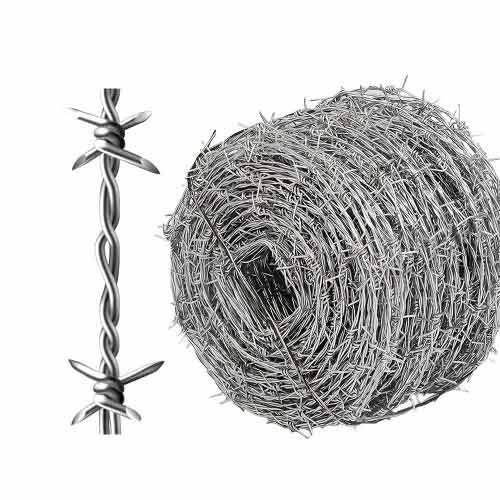
Barbed wire fences have been a staple of agricultural and property demarcation for over a century, prized for their cost-effectiveness and ability to deter intruders and contain livestock. However, their environmental impact has come under increasing scrutiny from ecologists and conservationists. While effective as a barrier, barbed wire can pose significant risks to wildlife and disrupt natural habitats. Balancing the human need for security and livestock control with ecological preservation is a complex challenge that requires thoughtful design and implementation.
One of the primary environmental concerns associated with barbed wire is its threat to wildlife. Large animals such as deer, elk, and antelope can become entangled in the wire while attempting to jump over it, leading to severe injury or a slow, painful death. Birds, particularly fast-flying species like grouse and owls, often fail to see the thin strands and collide with them mid-flight. These incidents can result in broken wings or fatal injuries. In some regions, the installation of barbed wire in migration corridors has contributed to population declines, highlighting the need for more wildlife-friendly fencing solutions.
The construction of barbed wire fences can also lead to habitat fragmentation. By cutting across vast landscapes, these fences impede the natural movement of animals, preventing them from reaching water sources, breeding grounds, or seasonal foraging areas. This fragmentation can isolate populations, reducing genetic diversity and making ecosystems more vulnerable to environmental changes. While landowners need to manage their property boundaries, the indiscriminate use of barbed wire can sever the ecological connectivity essential for a healthy environment.
To mitigate these environmental impacts, various strategies can be employed without compromising security entirely. One effective method is to mark the top strand of wire with vinyl flags or tags to increase visibility for wildlife. Another solution is to install a smooth wire strand at the top of the fence, which is less likely to snag antlers or entangle legs. Landowners can also create "wildlife jumps" or passages in fences—sections where the fence is lower or removed—to allow animals to pass safely. These modifications help maintain the permeability of the landscape for wildlife while still keeping livestock contained.
In conclusion, while barbed wire fences are an efficient tool for agriculture and security, they come with an ecological cost that cannot be ignored. The impact on wildlife and habitat fragmentation necessitates a re-evaluation of how and where these fences are installed. By adopting wildlife-friendly practices and considering alternative fencing types in sensitive areas, landowners can strike a balance between protecting their assets and preserving the natural world. The goal is not necessarily to eliminate barbed wire, but to use it in a way that respects the ecological integrity of the land.
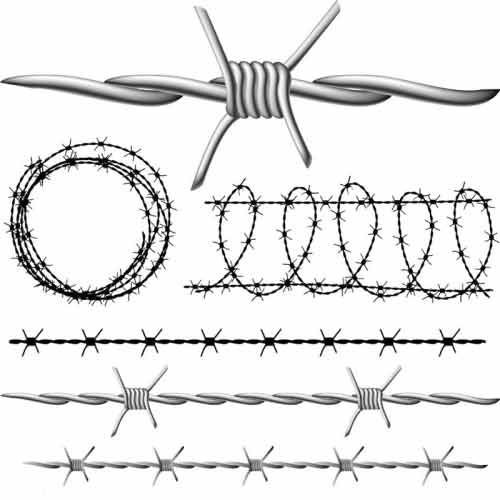
-
2026-03-13For ranchers and rural landowners, the 3 strand barbed wire fence represents a time-tested compromise between cost, functionality, and animal control. Simpler than multi-wire electric systems yet more effective than single-strand boundaries, this configuration delivers reliable containment
-
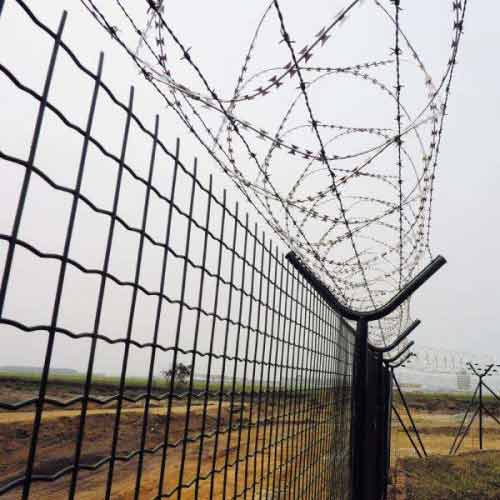
2026-03-12Razor wire represents the most effective physical deterrent available for high-security perimeter protection, creating barriers that combine psychological deterrence with physical obstruction that significantly increases the difficulty and risk of unauthorized access. Unlike standard barbe
-
2026-03-11The strength of any wire-based fencing system is concentrated at its turning points. A barbed wire fence corner post bears the brunt of the tension from the wire strands, acting as the anchor for the entire line. If the corner post fails, the fence will sag, lose its effectiveness, and eve